

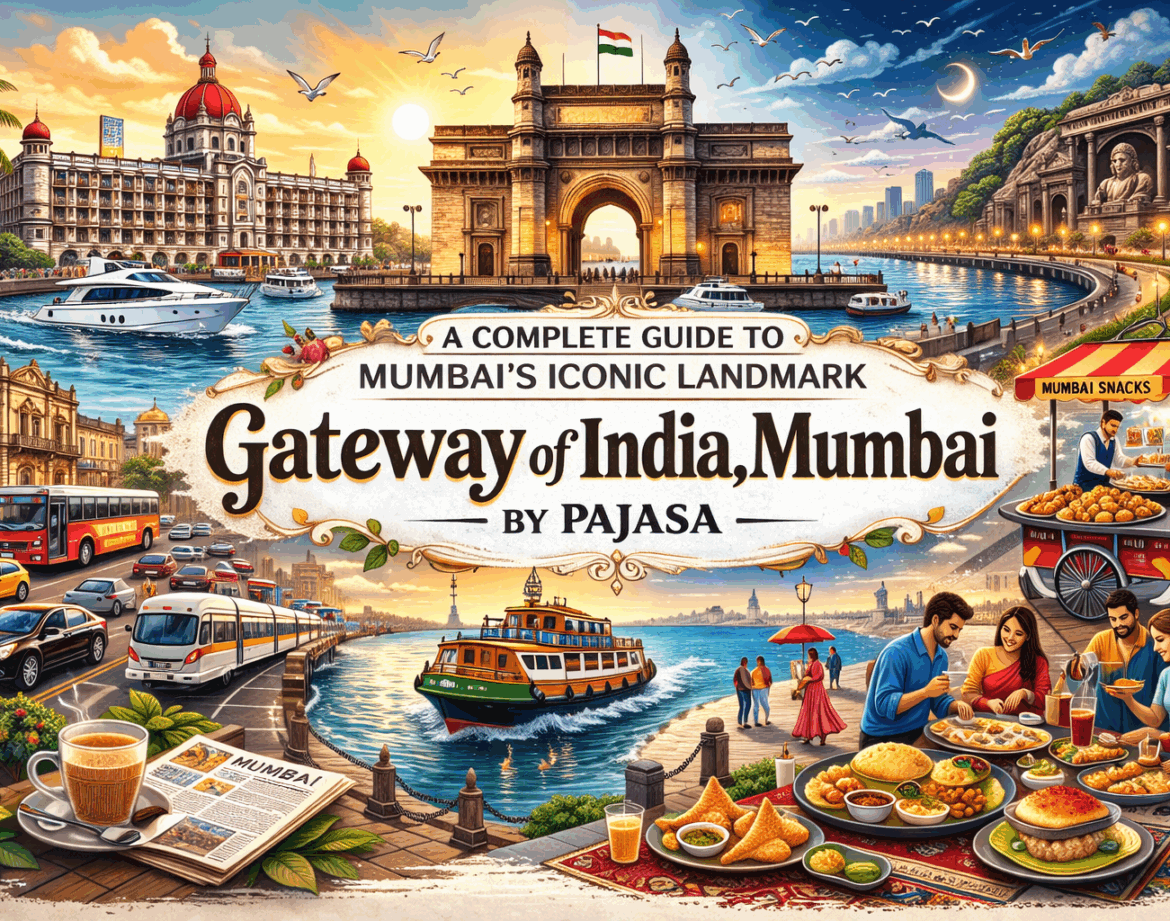
Gateway of India Mumbai
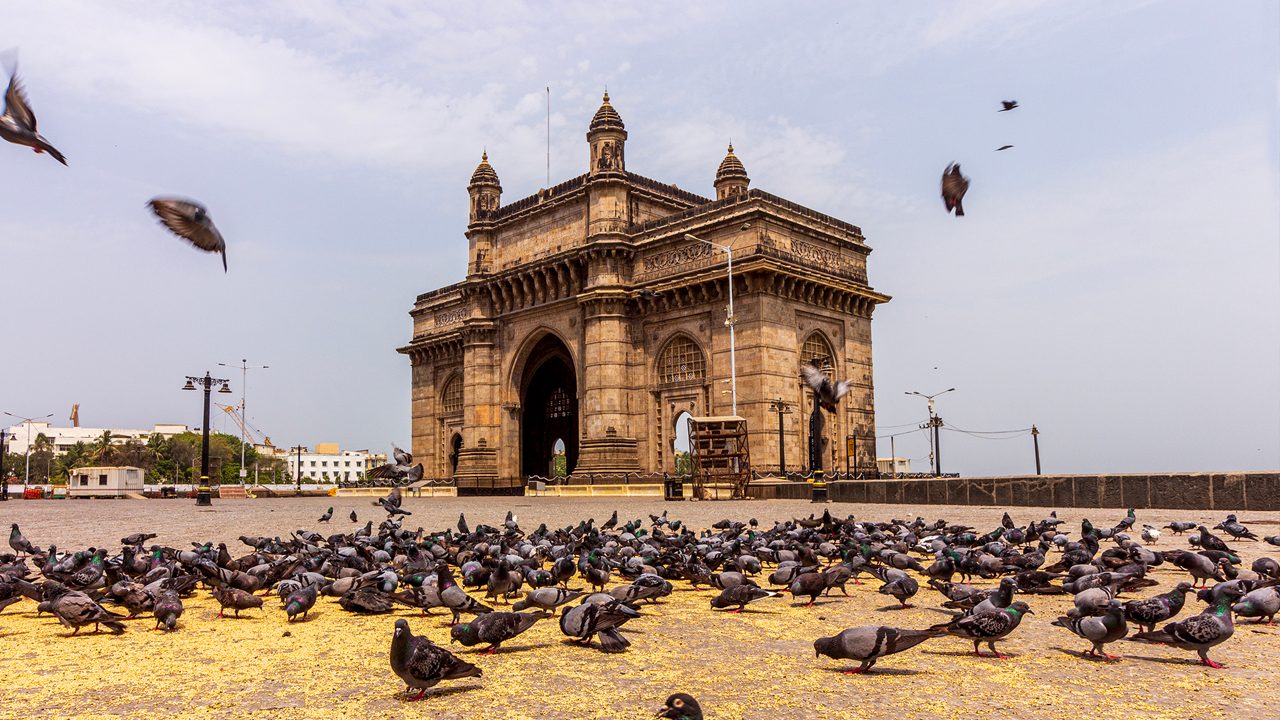
Why the Gateway of India is a Must-Visit in 2026?
The Gateway of India stands as Mumbai’s most iconic landmark, a silent witness to the city’s metamorphosis from a colonial port to a global financial powerhouse. This basalt arch represents a significant chapter in India’s journey, blending architectural grandeur with a deep historical weight. Today, the area remains the heart of South Mumbai, where the pulse of the city is most palpable against the backdrop of the Arabian Sea.
For the modern professional, a visit to this historic site is a quintessential Mumbai experience. If you are travelling for business and looking for premium serviced apartments in Mumbai, PAJASA offers the ideal home base. Our accommodations are designed exclusively for corporate travellers, providing a professional workspace with dedicated workspaces and home-like comfort just minutes from major business hubs like Colaba, BKC, Andheri and many other prime locations . Whether you are admiring the architecture or catching a sunset between meetings, the Gateway reminds every visitor that Mumbai is a city where history and commerce live side by side.
History of Gateway of India.
The story of the Gateway starts in December 1911. At that time, King George V and Queen Mary arrived in India for the Delhi Durbar. They planned to move the capital from Calcutta to New Delhi during this trip. Although the royal couple arrived at the Apollo Bunder in Bombay, the city lacked a grand entrance to greet them. The authorities quickly erected a temporary wooden structure to welcome the monarchs.
After the royals departed, the city of Bombay decided to build a permanent monument to commemorate the event. They appointed George Wittet, a Scottish architect, to design the structure. Wittet began the project on March 31, 1913. He chose yellow basalt and reinforced concrete as the primary materials. Labourers sourced the basalt from local quarries near the city, ensuring the monument reflected the geology of the region.
The construction faced several delays, especially during the years of World War I. Lady Sydenham, the wife of the Governor of Bombay, laid the foundation stone. The project finally reached completion in 1924. In February of that year, the Prince of Wales, who later became King Edward VIII, officially opened the arch.
For the next two decades, the British used the Gateway for grand ceremonies. It served as the entry point for viceroys, governors, and other high-ranking dignitaries who arrived by sea. However, history took a poetic turn in February 1948. The last British battalion, the First Battalion of the Somerset Light Infantry, marched through the Gateway to board their ships. This walk signalled the end of British rule. Today, Indians remember the Gateway not as a symbol of the empire, but as a monument to their hard-won independence.
Architecture of Gateway of India
George Wittet’s design remains a masterpiece of the Indo-Saracenic style. He masterfully combined Hindu and Muslim architectural elements with European Gothic sensibilities. This unique synthesis reflects the complex cultural layers of colonial India.
Structural Details
- The Dome: Wittet drew inspiration from 16th-century Gujarati mosques for the central dome.
- The Height: The arch reaches a total height of 26 meters (85 feet).
- The Material: Builders used honey-colored Kurla basalt, which makes the monument glow when the sun hits its smooth surface.
- The Towers: Four turrets, resembling minarets, flank the central arch, adding a sense of balance and grandeur.
The building features delicate lattice screens, or jalis, with intricate floral patterns. These screens demonstrate the immense skill of the local craftsmen who worked on the site. The central arch spans 15 meters in width and looks directly out at the Arabian Sea. Wittet also incorporated turrets and balconies that remind visitors of Rajput forts, while the Corinthian capitals on the columns add a touch of classical European elegance.
Key Features and Artistic Elements
The Gateway is more than just a big door. It contains specific features that celebrate both the builders and the land.
- Central Inscription: A stone tablet records the visit of King George V and Queen Mary in 1911.
- Carvings: Detailed images of elephants and floral motifs line the interior arches..
- The Promenade A wide walkway at Apollo Bunder allows thousands of people to walk around the base.
- Night Illumination: High-powered floodlights turn the monument into a glowing gold structure after dark.
The monument sits perfectly in front of the Taj Mahal Palace Hotel. This juxtaposition creates one of the most famous views in Asia. The grand hotel, with its red domes, provides a dramatic backdrop to the yellow basalt of the Gateway.
Gateway of India’s significance in Indian history
After 1947, the Gateway’s meaning changed forever. It transformed from a portal of power into a symbol of resilience.”The Gateway of India stood as the last piece of Indian soil the British troops touched before they sailed away into the horizon. It transformed from a colonial entrance into a gateway of freedom.
In 1961, the monument again played a role in national pride when India ended Portuguese control over Goa. Throughout the late 20th century, the Gateway hosted various world leaders and royalty, including Queen Elizabeth II on multiple occasions. Even during dark times, such as the 2008 Mumbai attacks, the Gateway became a site of mourning and solidarity. People gather here to light candles, leave flowers, and demonstrate that the spirit of Mumbai remains unbroken.
Gateway of India 2026: Everything You Need to Know Before You Go
If you plan to visit the Gateway of India today, keep these logistical details in mind.
Timings and Access
- Hours: The monument remains open 24 hours a day.
- Cost: Entry to the monument grounds is free.
- Security: You must pass through a security checkpoint before entering the main plaza.
Best Times to Visit
- Sunrise: This is the quietest time. You can watch the fishing boats head out while the air remains cool.
- Sunset: The sky turns orange and purple behind the arch, offering the best lighting for photography.
- Night: After 8:00 PM, the crowds thin out, and the lights make the basalt sparkle.
Transportation
- From the Airport: Chhatrapati Shivaji Maharaj International Airport, aka Mumbai airport, sits about 25 kilometres away. A taxi or Uber typically costs between ₹600 and ₹900, depending on traffic.
- By Train: Take the local train to Churchgate Station (Western Line) or CSMT (Central Line). From either station, you can take a short taxi ride or a 20-minute walk to Colaba.
- The Sea Route: You can arrive via ferry from Mandwa or Alibaug, which drops you right at the Gateway jetty.
Places to visit near the Gateway of India
The Gateway of India is surrounded by several iconic attractions that showcase Mumbai’s rich history, culture, and coastal charm. Many of these places are just a short walk or drive away, making them perfect for a half-day exploration.
Taj Mahal Palace Hotel
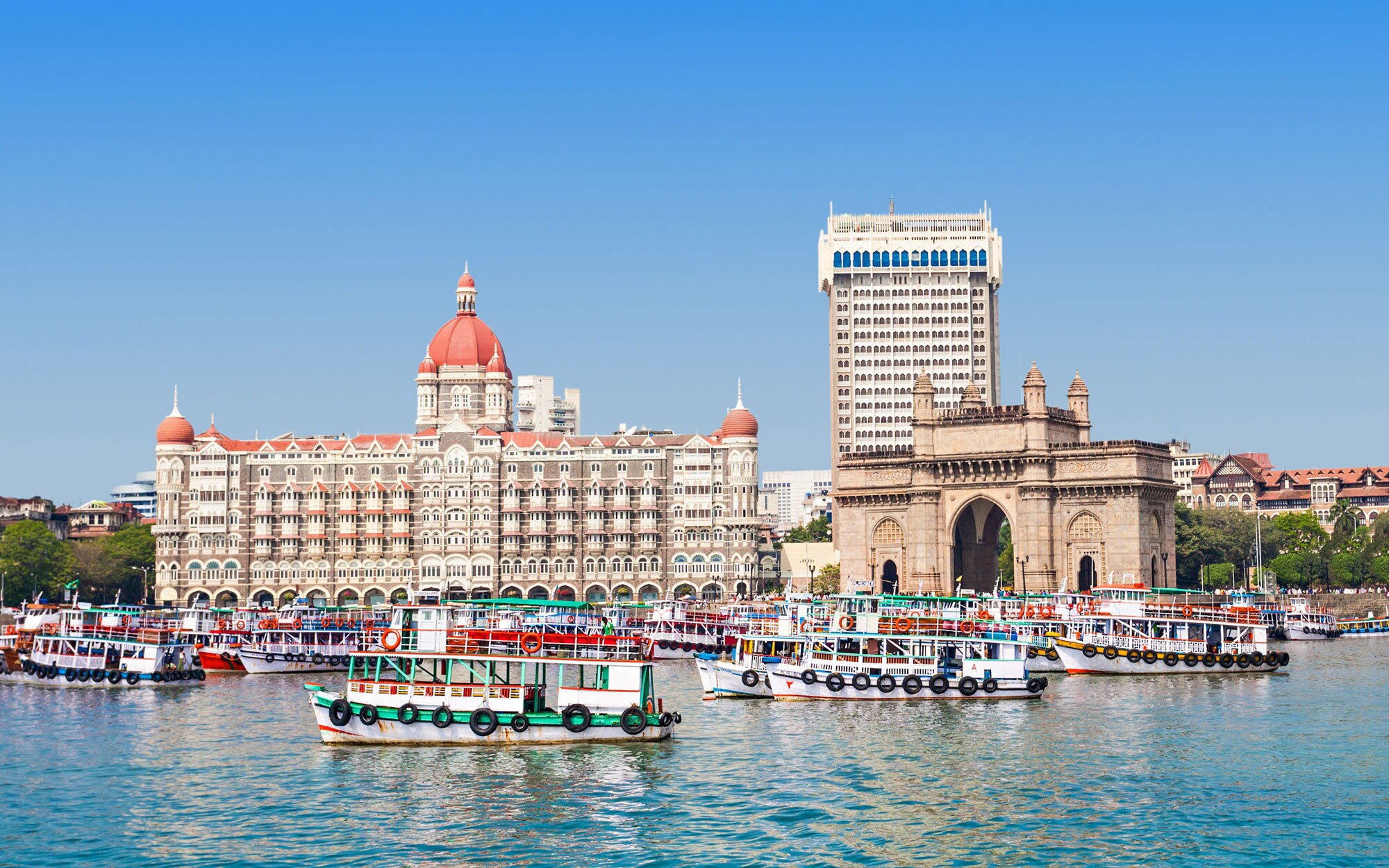
Located directly across from the Gateway of India, the Taj Mahal Palace is a living legend that has defined Mumbai’s luxury landscape since 1903. This architectural masterpiece features a majestic red dome and a stunning blend of Moorish and Florentine designs, predating even the Gateway itself. Having hosted royalty and global icons for over a century, the hotel is world-renowned for its signature ‘Tajness’ hospitality and elite culinary destinations like Wasabi by Morimoto. For any visitor, a stop at Apollo Bundar is incomplete without witnessing the grand silhouette of this iconic hotel against the Arabian Sea.
Colaba Causeway
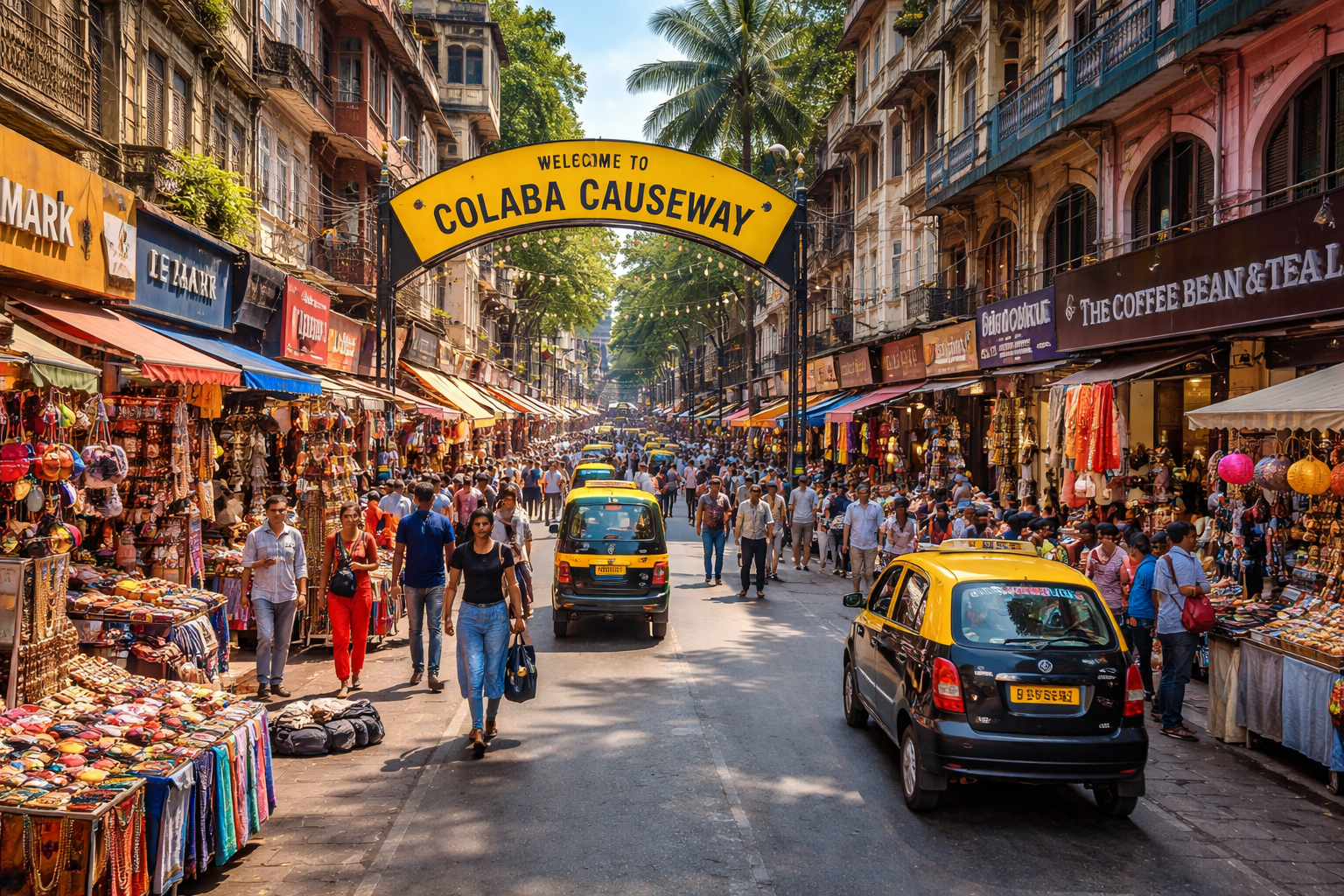
A short walk from the Gateway of India lies Colaba Causeway, Mumbai’s ultimate ‘Culture Square’ and a paradise for shoppers. This bustling street market is famous for its eclectic mix of trendy fashion, handcrafted jewelry, and unique antiques, all set against a backdrop of stunning colonial-era architecture. Between hunting for bargains, you can refuel at legendary local landmarks like Leopold Cafe or Cafe Mondegar, which have been the heart of the city’s social scene for decades.
Elephanta Caves
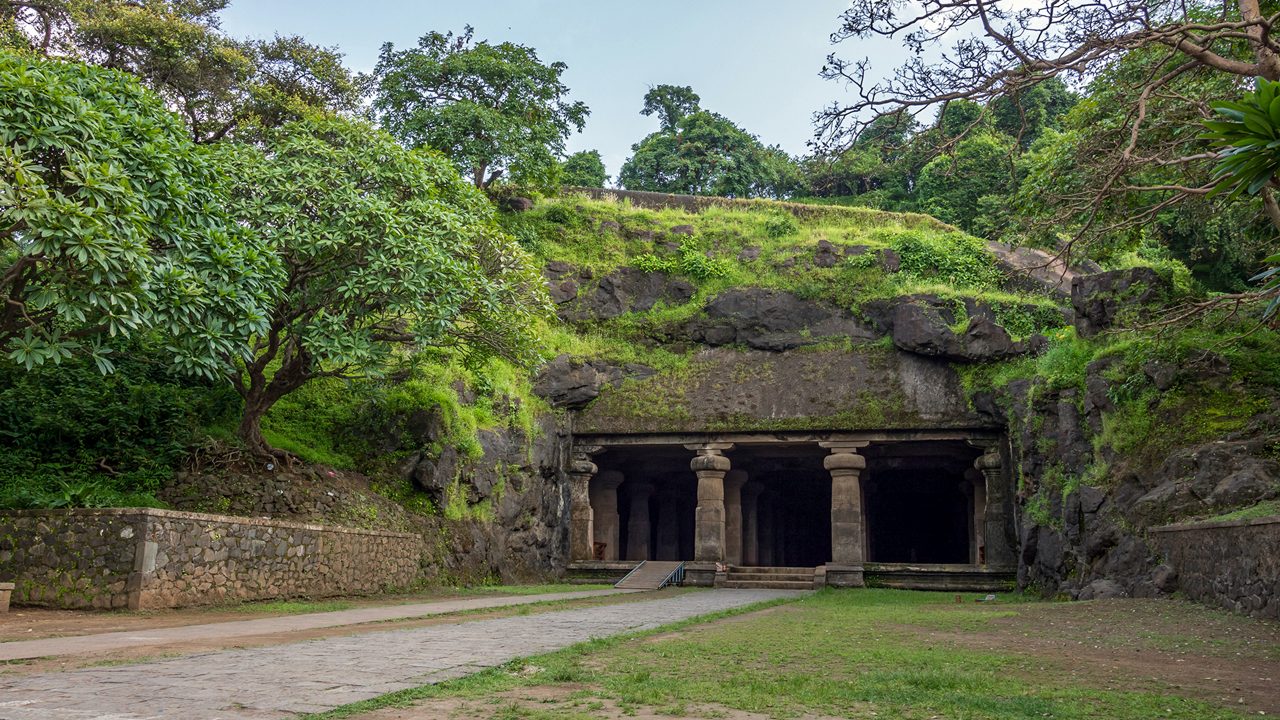
The jetty at the Gateway serves as the primary departure point for the Elephanta Caves. Ferries leave every 30 minutes. To reach the historic Elephanta Caves, travellers can choose between two types of ferry services departing from the Gateway of India. The Economy Ferry is a budget-friendly option priced at approximately ₹200 for a round trip, while the Luxury Ferry offers a more comfortable experience for around ₹400. Regardless of the ticket type, the scenic journey across the Arabian Sea takes about one hour each way, providing a perfect opportunity to enjoy the Mumbai skyline before exploring the ancient rock-cut temples
Marine Drive
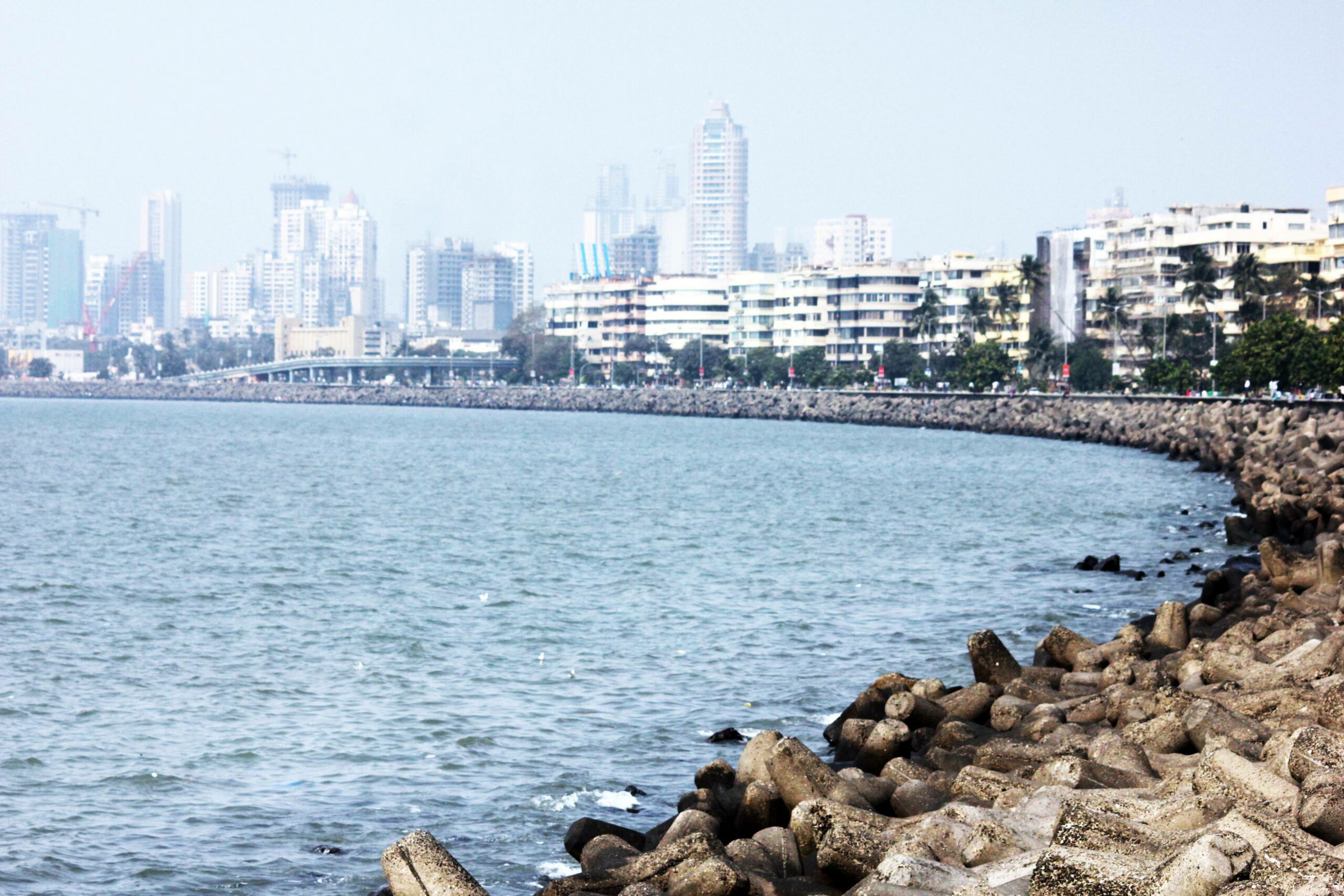
Widely known as the “Queen’s Necklace,” Marine Drive Mumbai is a stunning 3.6-kilometre curved boulevard that epitomizes the glamour and spirit of the city’s coastline. For corporate professionals, it is often cited as the best place to visit in Mumbai to unwind after a high-pressure day. It offers a vital breath of fresh air and a scenic escape, making it a favourite for early morning runs or reflective evening strolls following intense business meetings.
Beyond the Gateway of India, South Mumbai is a treasure trove of culture and history. You can explore the vibrant stalls of Colaba Causeway, admire the artifacts at the Chhatrapati Shivaji Maharaj Vastu Sangrahalaya, or take a short walk to the iconic Taj Mahal Palace Hotel. For those who want to experience the full pulse of the city, there are countless other Things to Do in Mumbai that reveal why this metropolis is known as the ‘City of Dreams.’ Whether you’re a history buff or a food lover, the area around Apollo Bunder is the perfect starting point for your journey.”
Cultural Impact and Pop Culture
The Gateway of India permeates Indian pop culture. It appears in nearly every Bollywood movie that features a “coming to Mumbai” montage. Films like Dil Chahta Hai and Wake Up Sid use the Gateway to symbolise the dreams and friendships of the youth.
Artists and poets often refer to the Gateway as the “Sentinel of the Arabian Sea.” It represents the welcoming nature of Mumbai—a city that accepts everyone from billionaire businessmen to struggling actors. On New Year’s Eve, thousands of residents pack the plaza to celebrate, making it the heart of the city’s public life.
Preservation Efforts by the ASI
The Archaeological Survey of India (ASI) manages the monument’s upkeep. Because the Gateway sits right on the water, it faces constant threats from salt spray, humidity, and air pollution.
Between 2017 and 2020, the ASI launched a massive restoration project. They spent twenty crore rupees to clean the basalt using specialised lasers. This process removed decades of grime and biological growth without damaging the stone. Workers also repaired the interior concrete and upgraded the drainage systems to handle Mumbai’s intense monsoons.
Today, the city monitors the structure for graffiti and environmental damage. The government also works to strengthen the sea walls nearby, as rising sea levels pose a long-term challenge to all coastal monuments. These efforts ensure that the Gateway remains standing for future generations to admire.
Essential Travel Tips
- Dress Code: Wear light, breathable cotton clothes. Mumbai’s humidity can feel overwhelming, especially between March and June.
- Hydration: Always carry a water bottle. While stalls sell snacks nearby, you should prioritise bottled water from reputable shops.
- Scams: Be wary of unauthorised “tour guides” or people offering to take your photo for a fee. Use your own camera or agree on a price beforehand.
- Monsoon Caution: During the heavy rains (June to September), the sea becomes very rough. Authorities often suspend ferry services during this time.
Whether you are witnessing the sunrise at the Gateway of India or taking a late-evening stroll along Marine Drive, Mumbai is a city that rewards exploration. However, for the corporate traveler, the key to a successful trip is balancing these iconic experiences with a productive and seamless stay.
If you are planning your next business visit, choose the convenience and exclusivity of a serviced apartments in Mumbai. At PAJASA, we specialise in providing premium, corporate-only accommodations that offer the perfect blend of home-like comfort and professional efficiency.
Ready to book your stay? Contact Pajasa Apartments today to find the ideal executive suite for your next Mumbai project.